








Composting at home is a fantastic way to reduce household waste and create nutrient-rich soil for your garden or houseplants. If you’re new to composting, it might seem a bit confusing at first, but with a few simple tips, you can start turning kitchen scraps and yard waste into valuable compost in no time. This guide will help beginners understand the basics and set up their own compost system with confidence.
What is Composting?
Composting is the natural process of breaking down organic materials like food scraps, leaves, and grass into a dark, crumbly soil amendment called compost. This process is carried out by microorganisms, worms, and other decomposers that turn waste into valuable nutrients plants need to grow.
Why Start Composting?
– Reduces landfill waste and methane emissions
– Enriches garden soil naturally
– Saves money on fertilizers and soil conditioners
– Encourages healthy plant growth
– Supports sustainable living practices
Getting Started: Beginner Tips for Home Composting
1. Choose the Right Composting Method
There are several ways to compost at home depending on your space and lifestyle:
– Compost Bin: A simple enclosed container suitable for backyards.
– Compost Pile: A heap of organic materials, ideal for larger outdoor spaces.
– Vermicomposting: Uses worms to break down waste, perfect for indoors or small spaces.
– Tumbler Composters: Rotating bins that speed up composting and are easy to use.
Choose one that fits your available space, budget, and how much waste you want to compost.
2. Find a Good Location
Place your compost bin or pile in a spot that is:
– Shady or partially shaded to maintain moisture
– Well-drained to prevent sogginess
– Easily accessible for adding materials and turning
3. Balance Your “Greens” and “Browns”
Compost needs a balance of nitrogen-rich and carbon-rich materials:
– Greens (Nitrogen): Food scraps (vegetable peelings, coffee grounds), grass clippings, fresh leaves
– Browns (Carbon): Dry leaves, straw, shredded paper or cardboard, wood chips
Aim for roughly a 2:1 ratio of browns to greens by volume. This helps microorganisms work efficiently and keeps the compost odor-free.
4. Avoid Adding Certain Items
Some things don’t belong in your compost and can cause problems:
– Meat, bones, dairy, and oily foods (attract pests and smell bad)
– Diseased plants or weeds with seeds (risk spreading issues)
– Pet waste (may contain harmful bacteria)
– Treated wood or synthetic materials
5. Keep Your Compost Moist and Aerated
The compost should be as damp as a wrung-out sponge—neither too dry nor too wet. Water the pile if it feels dry, especially in hot weather.
Turning or mixing the compost every 1-2 weeks helps introduce oxygen, which speeds up decomposition and reduces odors. You can use a garden fork or compost aerator tool.
6. Be Patient: Compost Takes Time
Composting is a natural process that can take anywhere from a few weeks to several months. Factors like temperature, moisture, and the materials used affect the speed. Hotter piles break down faster.
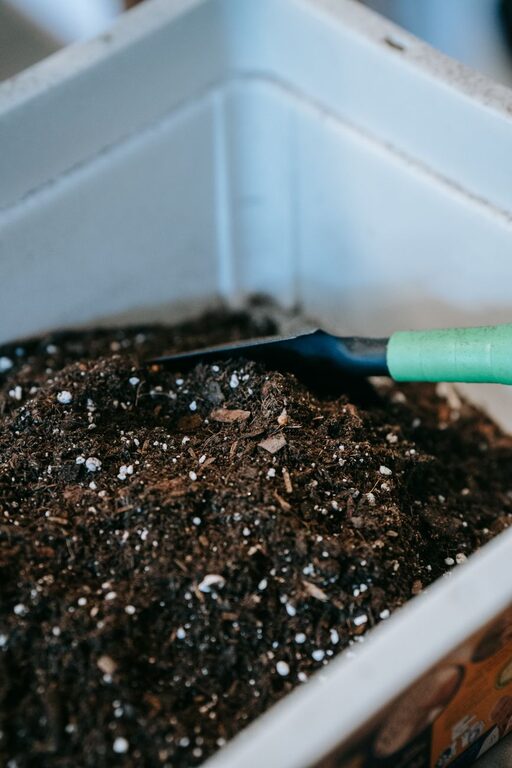
You’ll know when your compost is ready when it looks dark, crumbly, and smells earthy. It should no longer resemble the original materials.
7. Use Your Finished Compost
Your homemade compost can be:
– Mixed into garden beds to improve soil structure
– Used as mulch around plants to retain moisture
– Added to potting soil for houseplants
– Spread on lawns to provide nutrients naturally
Troubleshooting Common Composting Issues
– Bad smell: Too many greens or wet materials; add more browns and turn the pile.
– Pile not heating up: Not enough nitrogen or moisture; add fresh greens and water.
– Pests: Avoid meat and oily foods; secure your bin and turn compost regularly.
– Slow decomposition: Chop materials smaller, maintain moisture, and turn regularly.
Tips for Successful Composting
– Chop or shred large scraps to speed up breakdown.
– Save scraps in an airtight container or compost pail to reduce kitchen odors.
– Use newspaper or cardboard as browns but shred them first.
– Consider a worm bin if you live in an apartment or have limited outdoor space.
– Add finished compost gradually to your garden to observe plant responses.
Final Thoughts
Starting to compost at home doesn’t require special skills—just a little patience and attention. It’s a rewarding practice that benefits your garden and the environment. Follow these beginner tips, experiment to find what works best for you, and enjoy the benefits of turning everyday waste into garden gold.
Happy composting!